HVAC and Air Duct Mold Removal in Pacific Beach, CA
Mold removed from affected vents, ductwork and AC components in your Pacific Beach property. Call 24/7 to start your assessment and plan cleanup before system restart.
- Moisture source checked first
- Contained cleanup and HEPA filtration
- Component-specific removal scope
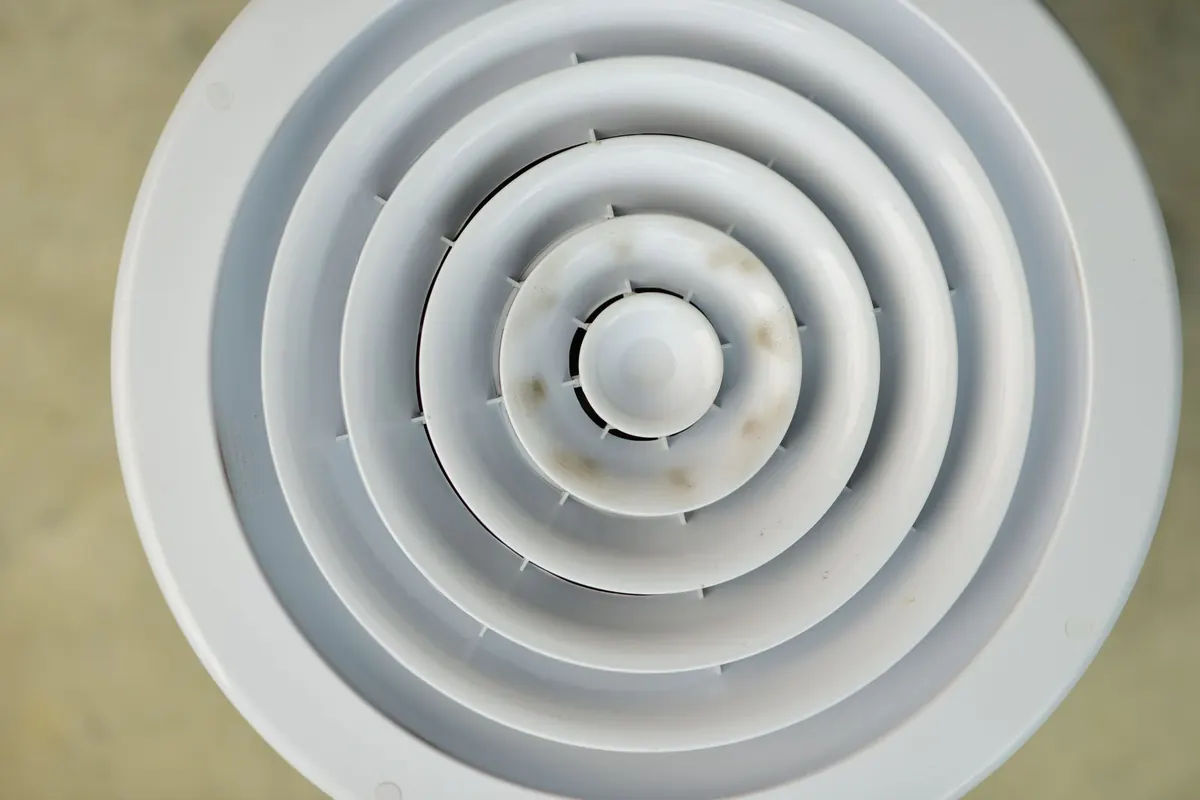
Air Duct Mold Removal Services and HVAC Cleanup in Pacific Beach
Mold removal covers your cleanable metal ductwork, registers and equipment surfaces within reach. The work also removes duct insulation affected by water or mold. Plans for correcting moisture are set before cleanup begins.
Inspection of your system includes its drain pan, evaporator coil, air handler, condensate line and blower, as well as paths for return and supply air. Dust and discoloration by themselves do not establish growth.
Your written scope of work separates air duct cleaning and mold removal from mechanical repairs. Access openings and adjoining walls are assessed so cleanup reaches beyond the register.
- Supply and return register cleaning
- Cleaning Reachable Metal Ducts and Cabinets
- Affected duct insulation removal
- Condensate and hidden moisture assessment
- Final Checks and Debris Removal Within Containment
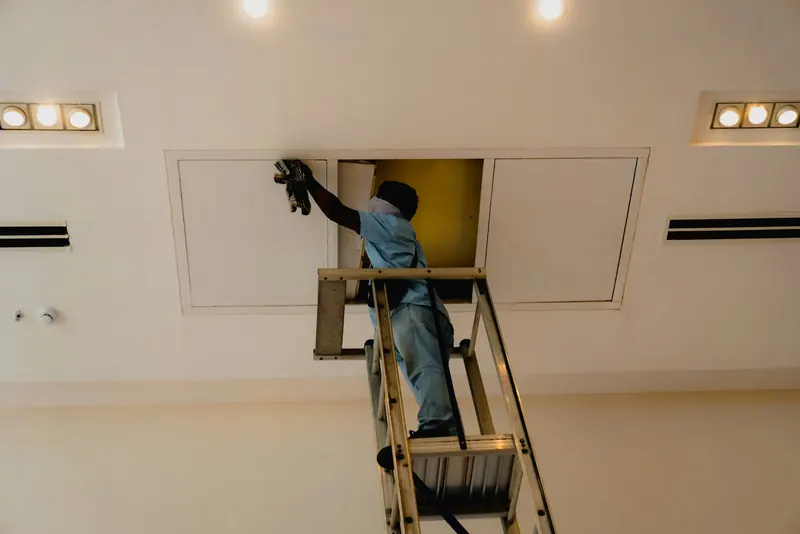
Signs You Need HVAC Mold Cleanup in San Diego County
Growth, dampness or a musty smell near your equipment calls for assessment.
Mold in AC Unit Components
Moisture trouble can appear with standing water in your pan or visible patches beside your coil.
Repeated Signs of Mold in Vents
Returning spots can accompany condensation or damp material behind the opening.
Musty Odor Near Supply Openings
Persistent odor can accompany hidden growth; smell alone does not confirm mold.
Water Stains Near Your HVAC Closet
Peeling paint or damp drywall can indicate water escaping beyond the equipment.
Mold in Air Ducts
Even when growth is visible inside your duct opening, more may lie beyond sight.
How HVAC Mold Removal Works in Pacific Beach
Your assessment comes first, followed by cleanup within containment, then checks ahead of restart.
HVAC Component Assessment
Inspection looks for visible mold growth on accessible equipment and inside your registers and ducts. Using a moisture meter, the assessment maps nearby damp surfaces.
HVAC Moisture Source and Scope
Drainage faults, leaks and condensation are assessed first. Your scope specifies access openings, affected parts, separate mechanical tasks and leak repair.
System Isolation and Containment
A containment barrier and poly sheeting isolate your equipment once the system is off. The scope guides the use of negative air pressure, HEPA filtration and protective equipment.
Damaged Duct Material Removal
Moldy duct insulation and unsalvageable sections are removed. Containment encloses adjacent drywall removal and tear out; debris goes into bags before being transported.
Duct and Equipment Cleaning
A HEPA vacuum and suitable methods clean accessible non-porous surfaces. Antimicrobial treatment, when appropriate for the material, does not replace physical cleaning.
Moisture Correction and Drying
As your cleaned surfaces dry, moisture problems are corrected according to the agreed scope. Where suitable, drying uses a dehumidifier, while replacement of materials depends on moisture readings.
Post-Remediation Check
Your containment stays up until checks cover moisture corrections as well as cleaning and drying. Clearance testing is performed by an independent assessor if specified as part of post-remediation verification.
Containment Removal and Restart
Containment is removed after final checks, and the work route is cleaned. Restart follows verification and necessary mechanical repairs.
Choosing San Diego Mold Cleanup for Air Duct Mold Removal and HVAC Cleanup
Calls Answered 24/7
Day or night, one number begins assessment of your ducts and equipment throughout the metro.
Cleanup Through Final Checks
Before containment removal, damaged insulation is taken out, cleanable parts receive cleaning and verification takes place.
Clear Component Scope
Before the job begins, you receive an explanation of cleaning, repair and removal limits.
HVAC Moisture First
Your cleanup starts after assessment of condensation and drainage problems.
Contained HVAC Work
HEPA filtration and containment are tailored to affected materials and access to your equipment.
Preparing for Your HVAC Cleanup in Pacific Beach
Leave your suspect equipment switched off. Call for an assessment.
- Leave suspect equipment off. EPA says running a system that may contain mold could spread it through the building.
- Leave registers and panels in place. Keep brushes off growth and compressed air out of vents.
- Avoid wet electrical equipment. Keep away from water beside controls, the air handler and wiring.
- Keep access clear. Your equipment needs a clear approach; leave contaminated materials where they are.
- Keep Affected Areas Clear of People. Your planned work area and equipment closet should remain off limits to children and pets.
HVAC Mold Removal Cost in Pacific Beach
Your price depends on affected components, access and replacement materials. These national categories overlap and are not added together as a project total.
HVAC mold, including air ducts
$3,000 to $10,000 per jobSource: Fixr, Mold Remediation Cost (checked 2026-10-23)Mold remediation in air ducts
$1,000 to $5,000 per jobSource: Fixr, Air Duct Cleaning Cost (checked 2026-10-23)Mold in Vents With No Duct Involvement
$100 to $500 per jobSource: Fixr, Mold Remediation Cost (checked 2026-10-23)What Influences the Price of Your HVAC Cleanup
- Duct length, access and material
- Duct or insulation replacement
- Drain pan leaks or condensation
- Which HVAC parts are contaminated
- Independent clearance testing
Pricing Your Duct and Equipment Cleanup
These published national ranges are planning figures. Your on-site assessment defines the work and price before cleanup starts, including any separate source repairs or rebuilding.
Call (844) 352-3560 about costHVAC and Air Duct Mold Removal Service Area Across Greater San Diego
Call (844) 352-3560 to arrange cleanup in Pacific Beach or nearby communities. One number covers the metro.
HVAC and Air Duct Mold Removal in Locations Near Pacific Beach
ZIP codes
What People Ask About HVAC and Air Duct Mold Removal in Pacific Beach
After duct cleaning, could mold appear again?
Unresolved drain faults, condensation or other sources of moisture can allow mold to return. Before cleaning starts, your assessment tracks down those conditions. Cleaning or replacement addresses affected parts, with corrections specified together with removal. Ongoing moisture control, together with finished repairs, helps keep the same damp conditions from returning.
In San Diego County, what is your air duct mold cleanup cost?
Which parts are affected, the access needed to reach them and required replacements all determine your price. Published cost cards give national price ranges across several scopes, covering vent-only tasks as well as more extensive system work. Containment, drying, mechanical repairs and testing can change the total. Your price is set by the scope ahead of work.
Is the HVAC moisture problem fixed too?
The moisture source is identified during assessment, with corrections defined alongside cleanup. Equipment work, duct insulation replacement or condensate drain repair form part of the job only if your scope lists them. Separate repairs are identified in advance, and returning cleaned equipment to service waits until all necessary corrections are complete.
In Pacific Beach, how long should your HVAC cleanup take?
Your schedule is set after inspection of the ducts, equipment and access route. The work for a few registers differs from duct insulation removal or creating openings in ceilings. Replacement parts may change the schedule, while moisture readings determine drying. Completing verification and required mechanical repairs must come before your system is turned back on.
Does mold mean your ducts or AC unit need replacing?
An affected system may not require replacement in full. Accessible surfaces on equipment, along with intact unlined metal ducts, are often cleanable. Under EPA guidance, you must replace moldy or wet duct insulation. Your assessment locates damaged sections and equipment unsuitable for effective cleaning, then your scope distinguishes needed replacements from components you can keep.
Is staying home possible during HVAC mold cleanup?
You may be able to stay if occupied rooms remain separate from the work zone and debris route. The heating or cooling shutdown, shared ductwork and household needs affect that decision. Work in some properties requires occupants to move out temporarily. Before containment starts, your assessment sets equipment arrangements and limits on access.
Should testing happen ahead of or following HVAC cleanup?
For visible mold, EPA guidance often does not call for air sampling. Inspection establishes affected components and moisture conditions; uncertain deposits may need laboratory identification. Cleaning and drying are checked after removal. When clearance testing is specified, an independent assessor performs it. No federal limit applies to the levels of mold indoors.
HVAC Mold Cleanup and Insurance in California
Your deductible, exclusions, mold coverage limits and the source of moisture affect coverage. Decisions can differ for cleanup, equipment repair work and replacement of finishes.
Safe Work Areas for HVAC Mold Cleanup in Greater San Diego
Restricting entry and containing your cleanup area help control particle spread during equipment work.
Hidden HVAC Moisture
Moisture readings assess dampness around the cabinet.
Mold Color
For black mold in vents as for other mold, CDC says color cannot indicate the risk.
HVAC Airflow
Suspected contamination means keeping equipment off to avoid moving mold spores.
Sensitive Occupants
During equipment shutdown, occupancy arrangements reflect your household requirements.
Cleanup scope: You cannot apply the EPA homeowner threshold of about 10 square feet to HVAC contamination. You need professional assessment when systems are involved.
Which HVAC Materials Get Cleaned or Removed in San Diego County
Your sound metal parts are often cleanable. Wet or moldy insulation in ducts must be replaced, says EPA.
Cleanable surfaces
- Accessible cabinet surfaces receive cleaning and drying, along with intact metal registers and unlined ducts.
Porous materials
- After moldy duct insulation removal, assessment determines whether affected drywall and flexible duct need replacing.
Repair after remediation
- Your agreed scope sets duct sealing and finish replacement, which take place following drying and verification.
Planning HVAC Cleanup Time in San Diego County
Access, drying, removal work and required repairs set your timetable.
- Access to duct runs: Your workload grows with confined attic spaces and ceiling openings.
- Replacement materials: Your repair timeline reflects duct sections, drainage components and insulation.
- Dryness and restart: Readiness to operate your equipment depends on final checks as well as moisture readings.
HVAC Odor and Humidity Across Greater San Diego
Your odor investigation includes checks of drainage and surface conditions. Neither fragrance nor regular filter replacement eliminates mold hidden at its source.
Keep your indoor relative humidity below 60 percent under EPA guidance. The ideal level is 30 to 50 percent. Managing humidity supports correction of moisture problems without replacing leak repairs or cleaning.
What HVAC Cleanup Requires in California
HVAC Work Requirements
California has no state license or certification for mold assessors or remediators, according to the California Department of Public Health. General construction work above a small dollar amount does need a license from the Contractors State License Board (CSLB), so it is worth checking a contractor's license there and asking about their mold training.
HVAC Repair Permits
Permit needs vary with the planned equipment changes and the building work involved.
EPA Drying Guidance
Prevent mold growth by drying affected items and water-damaged areas within 24 to 48 hours.
State Mold Information
The California Department of Public Health (CDPH) Air Quality Section publishes mold and dampness guidance and a mold FAQ. CDPH says visible mold, dampness, and mold odor are unhealthy and should be fixed, and that routine mold testing is not needed when mold is visible.
State guidance: CDPH Frequently Asked Questions about Mold; CDPH Statement on Building Dampness, Mold, and Health; California Health and Safety Code 26147 (leginfo); California Health and Safety Code 17920.3 (leginfo)
Related Services and Next Steps
Start Your HVAC and Air Duct Mold Removal in Pacific Beach
Call 24/7 to arrange your assessment. Your cleanup starts with the affected surfaces, moisture source and access to your home.